The Spiritual Significance of Makkah
Makkah is the holiest city in Islam and holds a special place in the hearts of Muslims around the world. It is the birthplace of the Prophet Muhammad and the center of Islamic worship. Every year, millions of Muslims travel to Makkah to strengthen their faith and connect with their spiritual roots.
Around 18–20 million pilgrims visit Makkah every year (Hajj + Umrah combined), according to Arab News.
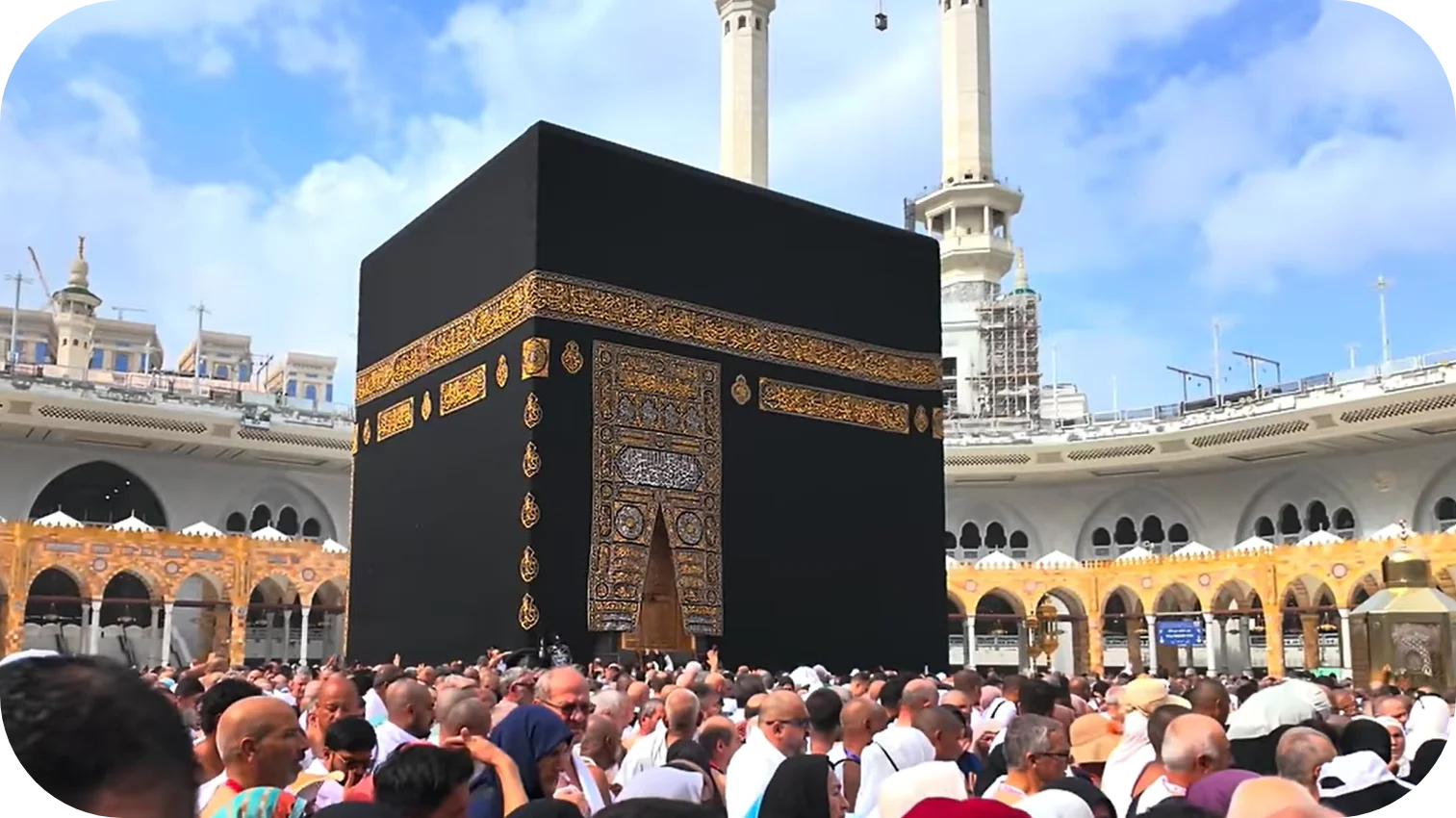
Masjid al-Haram – The Sacred Mosque
At the heart of Makkah lies the magnificent Masjid al-Haram, the largest mosque in the world. This sacred mosque surrounds the Kaaba, the cube-shaped structure that Muslims face during their daily prayers.
Pilgrims from every corner of the world gather here to perform Tawaf, walking around the Kaaba seven times as an act of devotion and unity.
The Black Stone
Embedded in one corner of the Kaaba is the revered Hajar al-Aswad. According to Islamic tradition, the stone dates back to the time of Prophet Ibrahim and is kissed or touched by pilgrims if possible during Tawaf.
Pilgrimage to Makkah
Two major pilgrimages take place in Makkah:
- Hajj – An obligatory pilgrimage that every Muslim who is physically and financially able must perform at least once in their lifetime.
- Umrah – A voluntary pilgrimage that can be performed at any time of the year.
A City of Faith and Unity
Makkah serves as the spiritual heart for more than 1.8 billion Muslims worldwide. The city represents unity, devotion, and submission to Allah. During special times such as Ramadan and Hajj season, the atmosphere becomes even more powerful as millions gather in prayer and reflection.
Conclusion
For Muslims, visiting Makkah is more than a journey—it is a deeply spiritual experience that strengthens faith and brings believers closer to Allah. The sacred atmosphere of Masjid al-Haram and the presence of the Kaaba make Makkah a place unlike any other in the world.
The Spiritual Beauty of Madinah
Madinah, also known as Al-Madinah Al-Munawwarah (The Enlightened City), is the second holiest city in Islam after Makkah. It holds a special place in the hearts of Muslims around the world because it was the home of the Prophet Muhammad after his migration from Makkah.
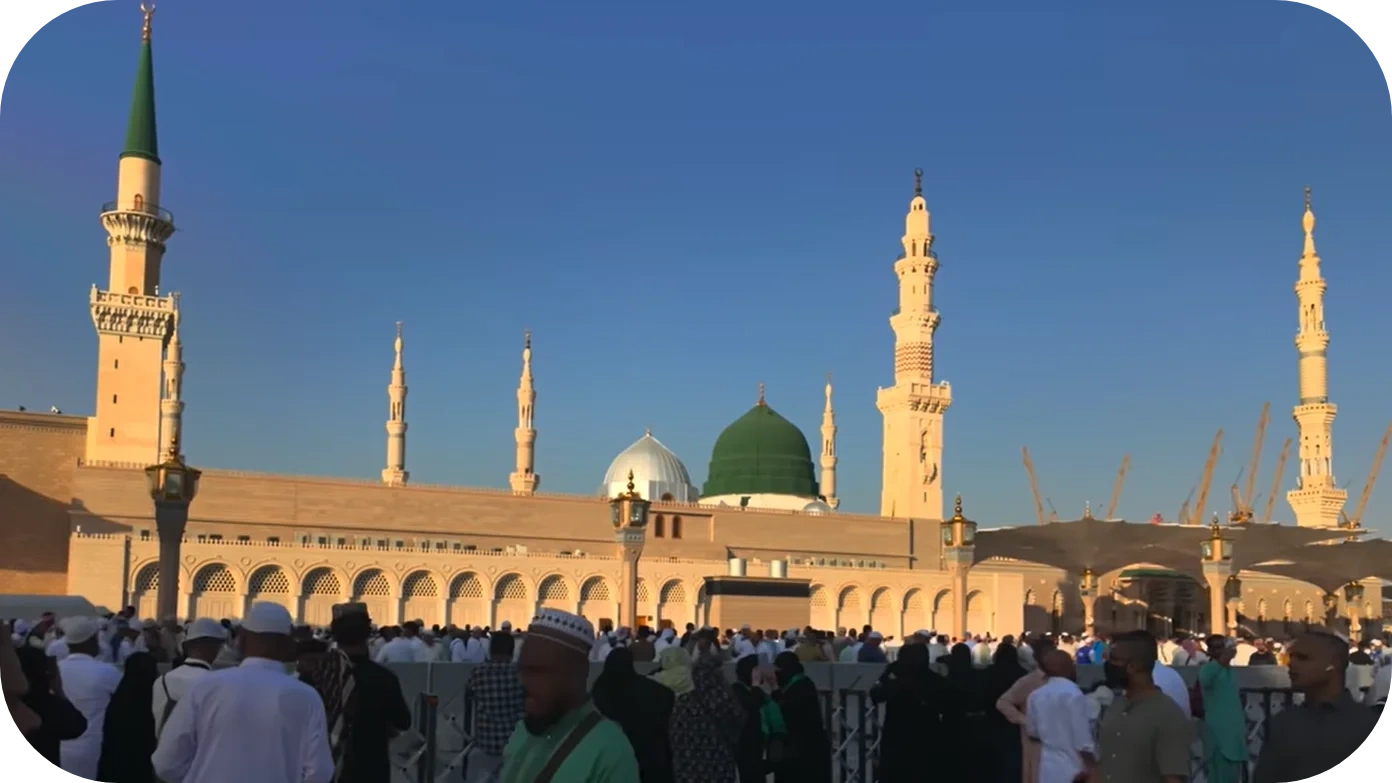
Al-Masjid an-Nabawi – The Prophet’s Mosque
One of the most important landmarks in Madinah is Al-Masjid an-Nabawi. This mosque was originally built by Prophet Muhammad and later expanded by various Islamic rulers. Today, it is one of the largest and most beautiful mosques in the world.
Inside the mosque is the blessed resting place of Prophet Muhammad, making it a deeply revered site for Muslims who visit the city.
Historical Importance
Madinah became the center of the first Islamic community after the historic Hijra in 622 CE. From here, the foundations of Islamic society were established, and many important events in Islamic history took place.
A City of Peace and Faith
Unlike the busy atmosphere of Makkah, Madinah is often described as peaceful and spiritually calming. Pilgrims visiting the city spend time in prayer, reflection, and learning about the life and teachings of the Prophet.
Conclusion
Visiting Madinah is a deeply spiritual experience for Muslims. The serene environment, the presence of Al-Masjid an-Nabawi, and the rich Islamic history make Madinah a city of immense religious and historical importance.
Masjid Qiblatain – The Mosque of Two Qiblas
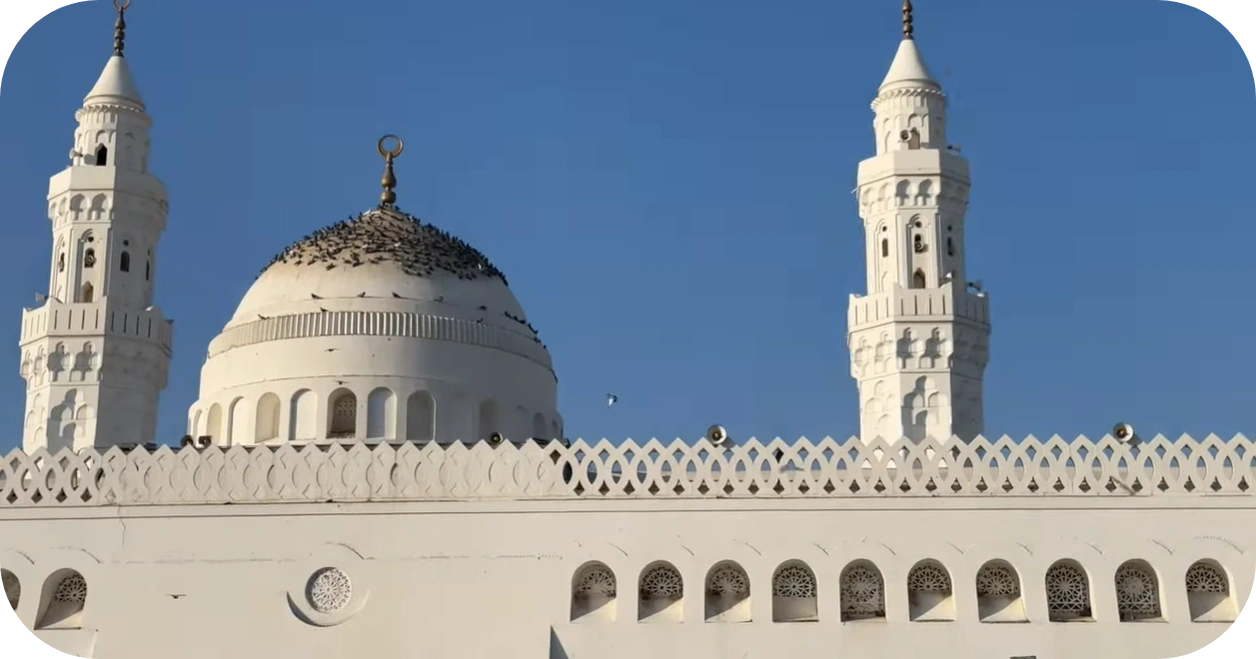
Masjid Qiblatain is one of the most historically significant mosques in Medina. Its name means “Mosque of the Two Qiblas”, and it holds a unique place in Islamic history.
Historical Importance
This mosque is famous for a remarkable event during the time of Prophet Muhammad (peace be upon him). Initially, Muslims used to pray facing Jerusalem (Masjid Al-Aqsa).
However, during a prayer in this mosque, a divine revelation came from Allah instructing Muslims to change the direction of prayer (Qibla) toward the Kaaba in Mecca.
This historic event is directly connected to the Quran (Surah Al-Baqarah 2:144).
The Prophet (PBUH) immediately turned during prayer, and the companions followed him—making this mosque the only one where two Qiblas were observed in a single prayer.
Architectural Features
Masjid Qiblatain has been renovated several times over the years. Today, it features:
- A clean white structure
- Spacious prayer halls
- Modern Islamic design
- Separate areas for men and women
The mosque no longer has two visible mihrabs, but its history remains deeply respected.
Spiritual Significance
Masjid Qiblatain reminds Muslims of:
- Obedience to Allah’s command
- Unity in prayer direction
- The importance of faith and submission
It symbolizes a turning point in Islamic identity, establishing the Kaaba as the central Qibla for all Muslims worldwide.
Location
The mosque is located in the northwestern part of Medina, about 5 km from Masjid al-Nabawi.
Pilgrims visiting Medina often include this mosque in their ziyarat (religious visits).
Conclusion
Masjid Qiblatain is not just a mosque—it is a symbol of transformation and divine guidance. Visiting this sacred place connects believers to a powerful moment in Islamic history.
Abu Bakr As-Siddiq Mosque Prophet Muhammad (ﷺ)
Perform the Eid prayers
A Historic Eid Prayer Site in Madinah
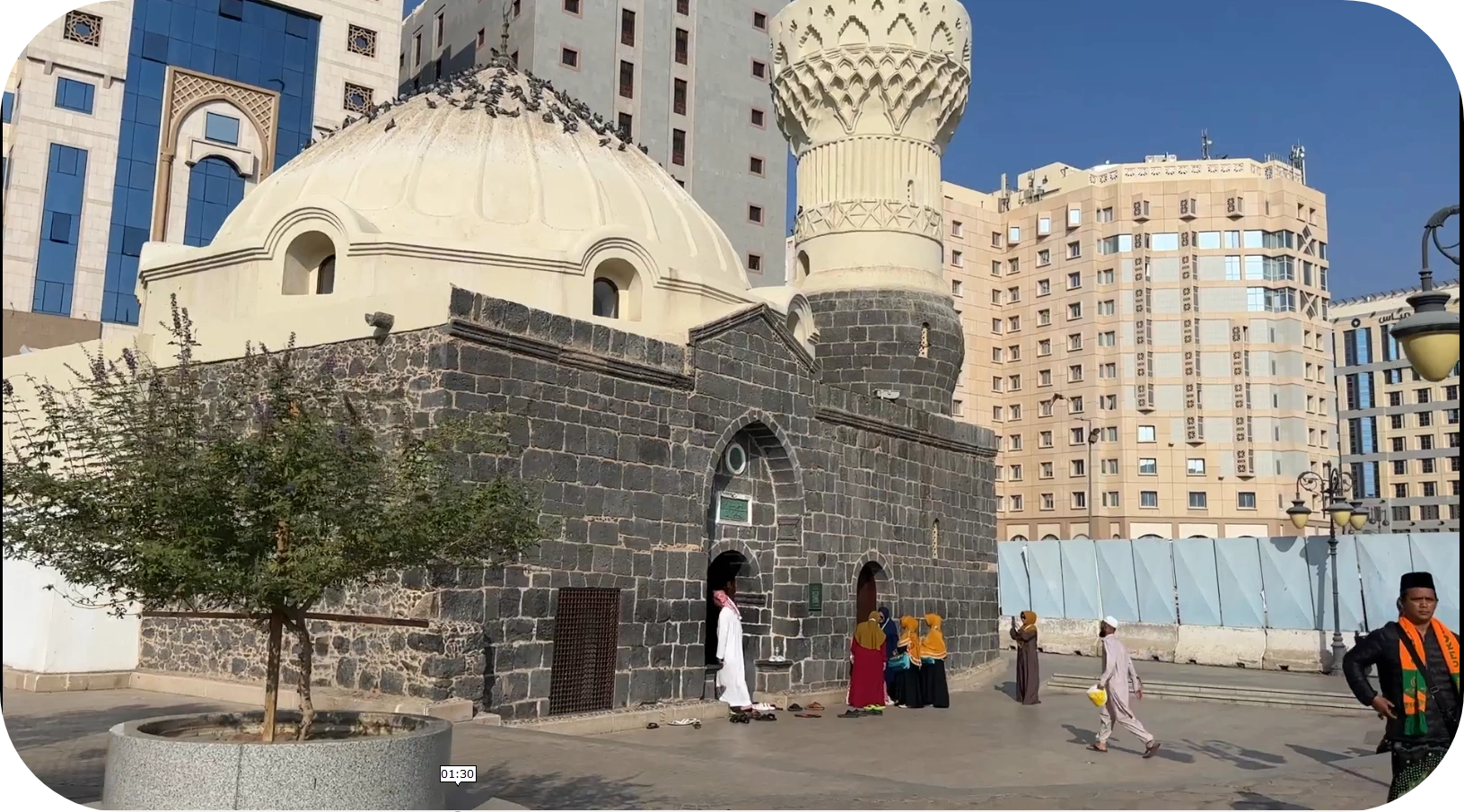
The Abu Bakr As-Siddiq Mosque is a historically significant mosque located just about 150 meters from the courtyards of the Al-Masjid an-Nabawi in the blessed city of Madinah.
This mosque stands on a site that was originally an open prayer ground (Musalla), where the Prophet Muhammad (ﷺ) used to perform the Eid prayers. It reflects an important Sunnah practice of offering Eid salah in an open space, bringing the community together in unity and simplicity.
After the time of the Prophet (ﷺ), his closest companion and the first Caliph, Abu Bakr As-Siddiq, continued performing Eid prayers at this very location. Due to this strong historical and spiritual connection, the mosque was later named in his honor.
Despite its modest size and simple architecture, the mosque holds deep religious importance. It serves as a reminder of the early days of Islam, when worship was centered on humility, unity, and devotion rather than grand structures.
Today, visitors and pilgrims to Madinah often include this mosque in their ziyarat (visit), reflecting on the legacy of the Prophet (ﷺ) and his companions. The peaceful surroundings make it a meaningful place to connect with the history and spiritual essence of Islam.
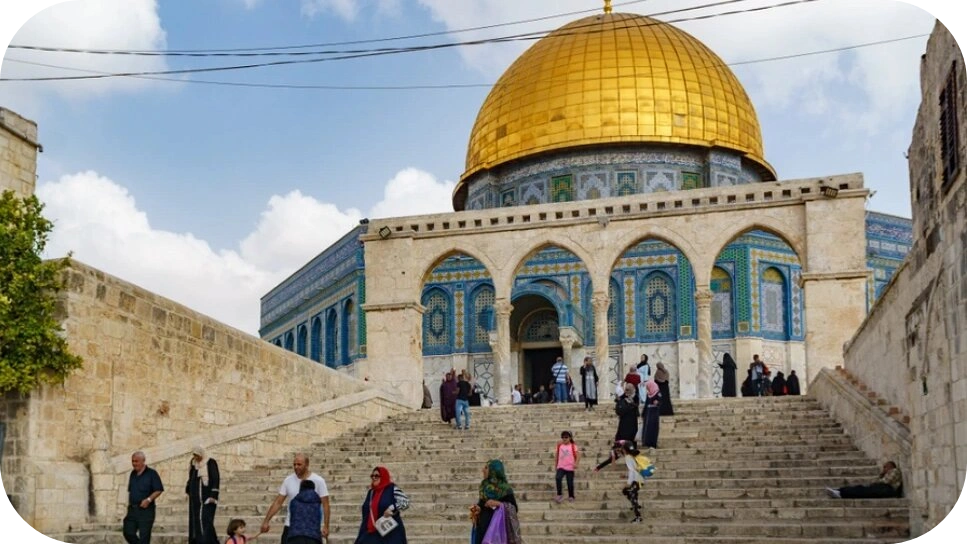
The Spiritual Importance of Masjid Al-Aqsa
Al-Aqsa Mosque is one of the most sacred sites in Islam and holds great spiritual and historical importance for Muslims around the world. Located in the holy city of Jerusalem, it is considered the third holiest mosque in Islam after Masjid al-Haram in Makkah and Al-Masjid an-Nabawi in Madinah.
Historical Significance
Masjid Al-Aqsa holds a special place in Islamic history. It is closely connected with the miraculous journey of the Prophet Muhammad during the Isra and Mi’raj. According to Islamic tradition, the Prophet was taken from Makkah to Masjid Al-Aqsa and then ascended to the heavens.
A Sacred Place of Worship
For centuries, Masjid Al-Aqsa has been a center of worship, learning, and spirituality. Muslims from around the world visit the mosque to pray and experience the deep spiritual atmosphere of this blessed place.
The mosque complex is part of the larger Al-Aqsa compound, which includes several historic structures and courtyards that reflect centuries of Islamic heritage.
Importance for Muslims
Masjid Al-Aqsa is highly respected in Islam, and prayers offered there hold great spiritual reward. For Muslims, visiting and praying at this mosque is a deeply meaningful experience that connects them with their faith and Islamic history.
Conclusion
Masjid Al-Aqsa remains a powerful symbol of faith, history, and devotion for Muslims around the world. Its spiritual significance, rich history, and sacred status make it one of the most important religious sites in Islam.